
Powering what matters
Transforming waste into renewable resources.
Creating a cleaner, smarter future in Southwest City, Missouri
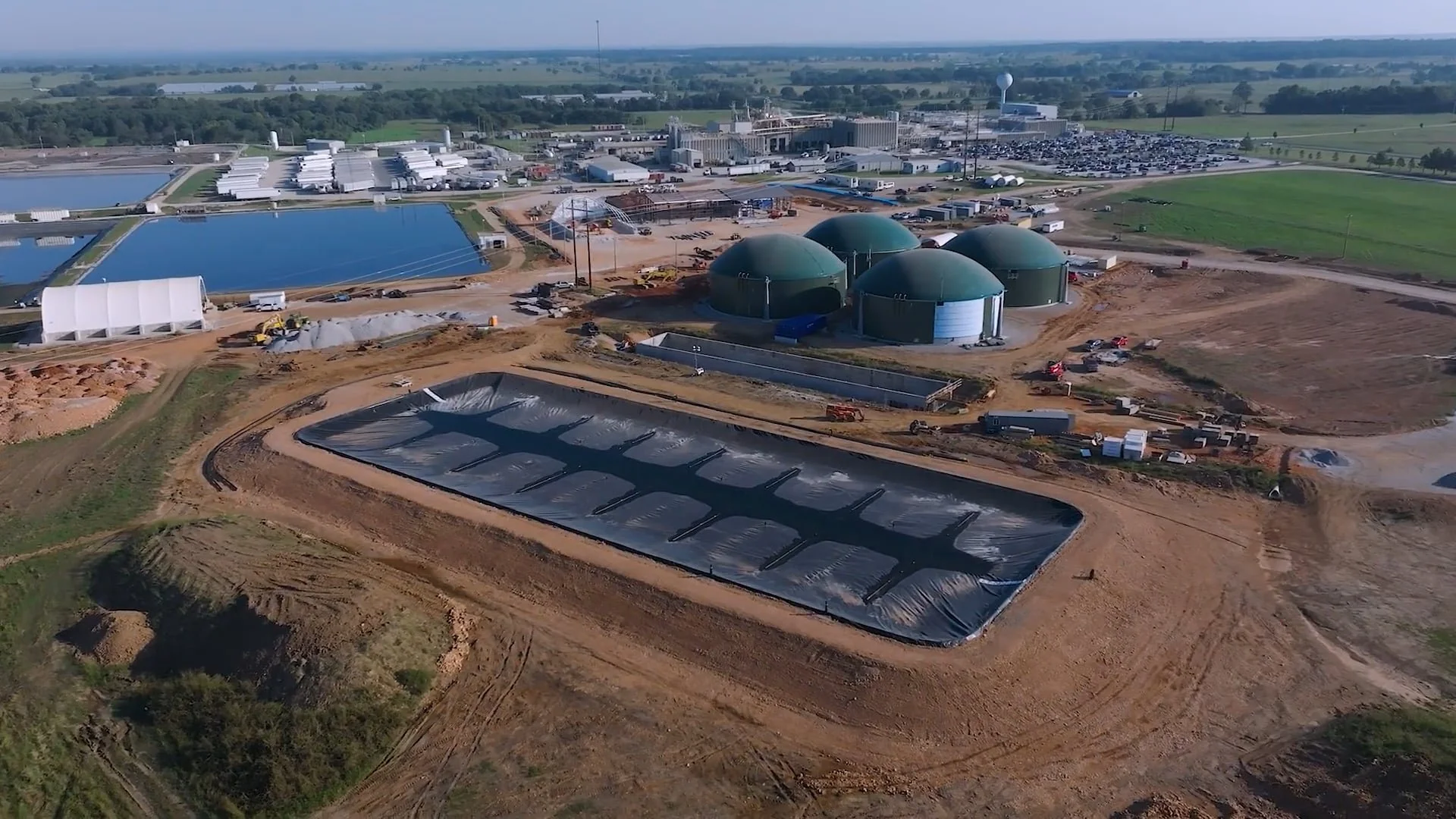
ReGen harnesses the power of anaerobic digestion to transform byproducts into renewable natural gas, liquid CO₂, and nutrient-rich fertilizer that can be used in agriculture and manufacturing.
Launched in late 2023 and fully operational in 2026, ReGen significantly reduces waste across Simmons’ operations. But its impact goes far beyond waste reduction:
ReGen supports our long-term focus on efficiency and sustainability, enabling us to unlock shared value and power progress.

Reception Pit
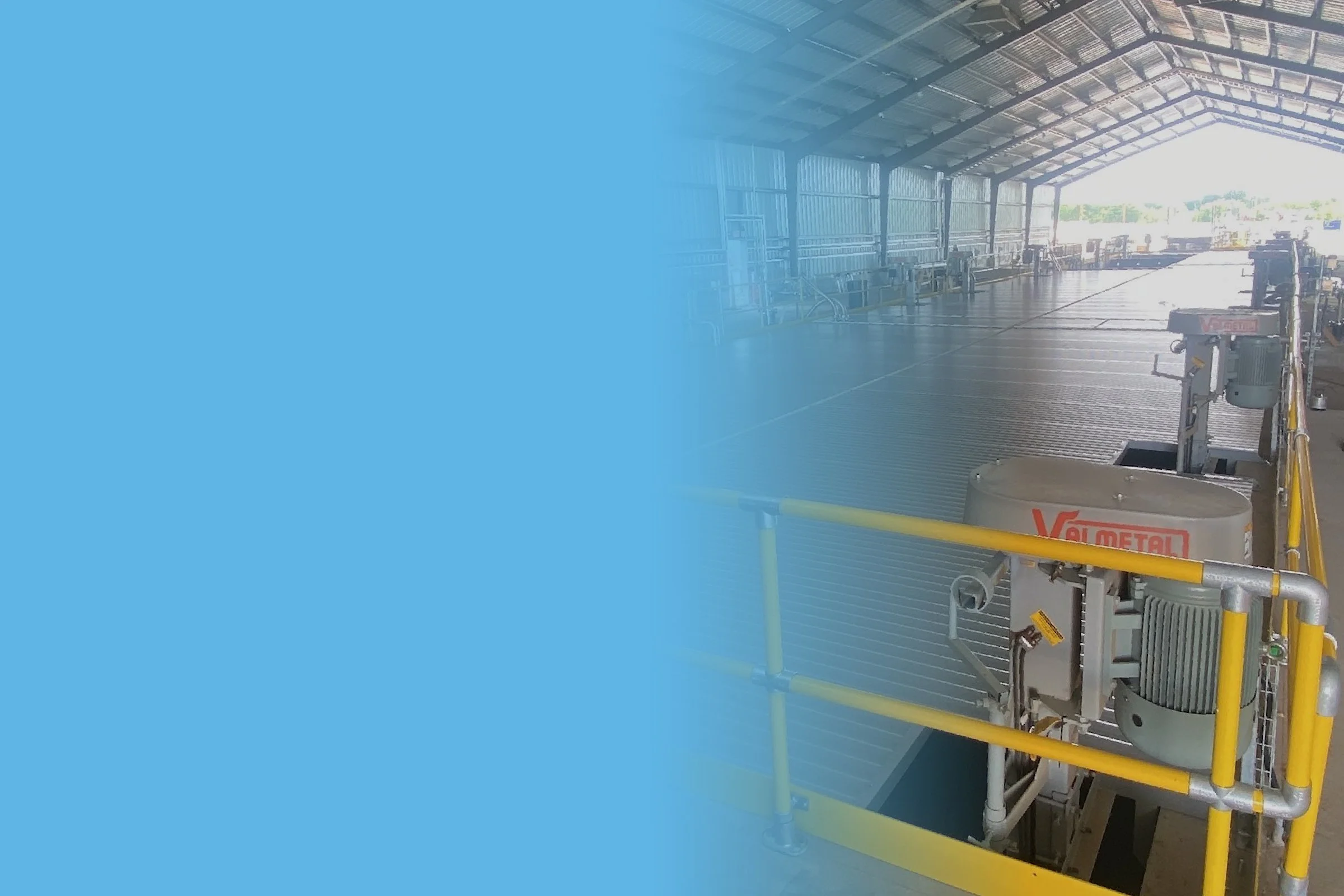
Feedstocks are delivered to the reception pit, where they are thoroughly mixed using mechanical agitators to ensure a consistent blend. The mixture is then heated to 60-80°F, which accelerates microbial activity and helps initiate the digestion process. Afterwards, it is diluted to a target solids concentration of 10%, optimizing conditions for efficient anaerobic digestion. Each step — mixing for uniformity, heating for enhanced biological activity, and diluting for proper solids content — prepares the material for effective processing in the digesters.

Anaerobic Digester
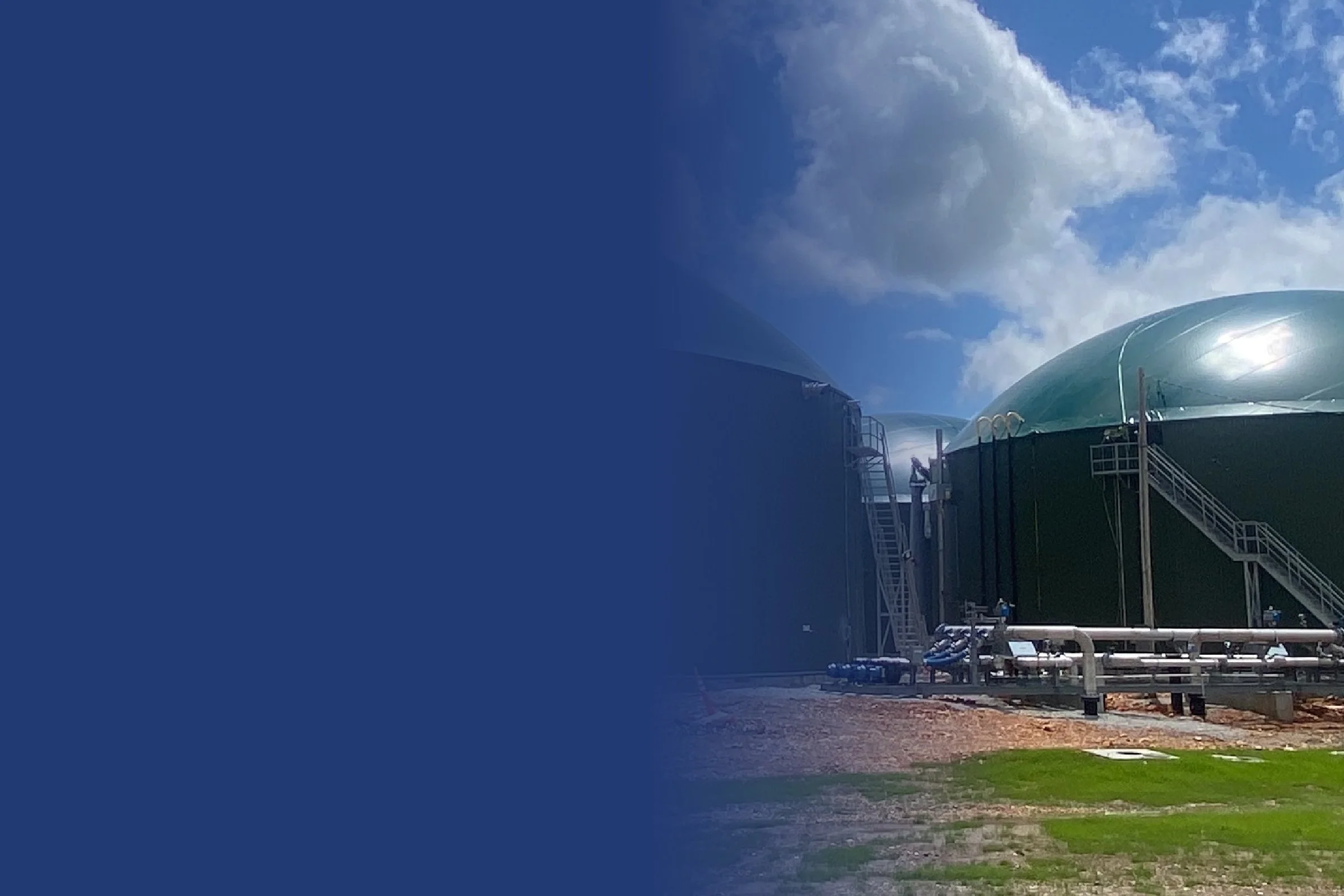
An anaerobic digester is a closed system that relies on naturally occurring microorganisms to decompose organic materials — like food byproducts — without the presence of oxygen, resulting in renewable resources. ReGen operates four digesters, each holding 1.6 million gallons, along with a polishing lagoon that can accommodate 3 million gallons, enabling the treatment of over 8.5 million pounds of byproducts every week.
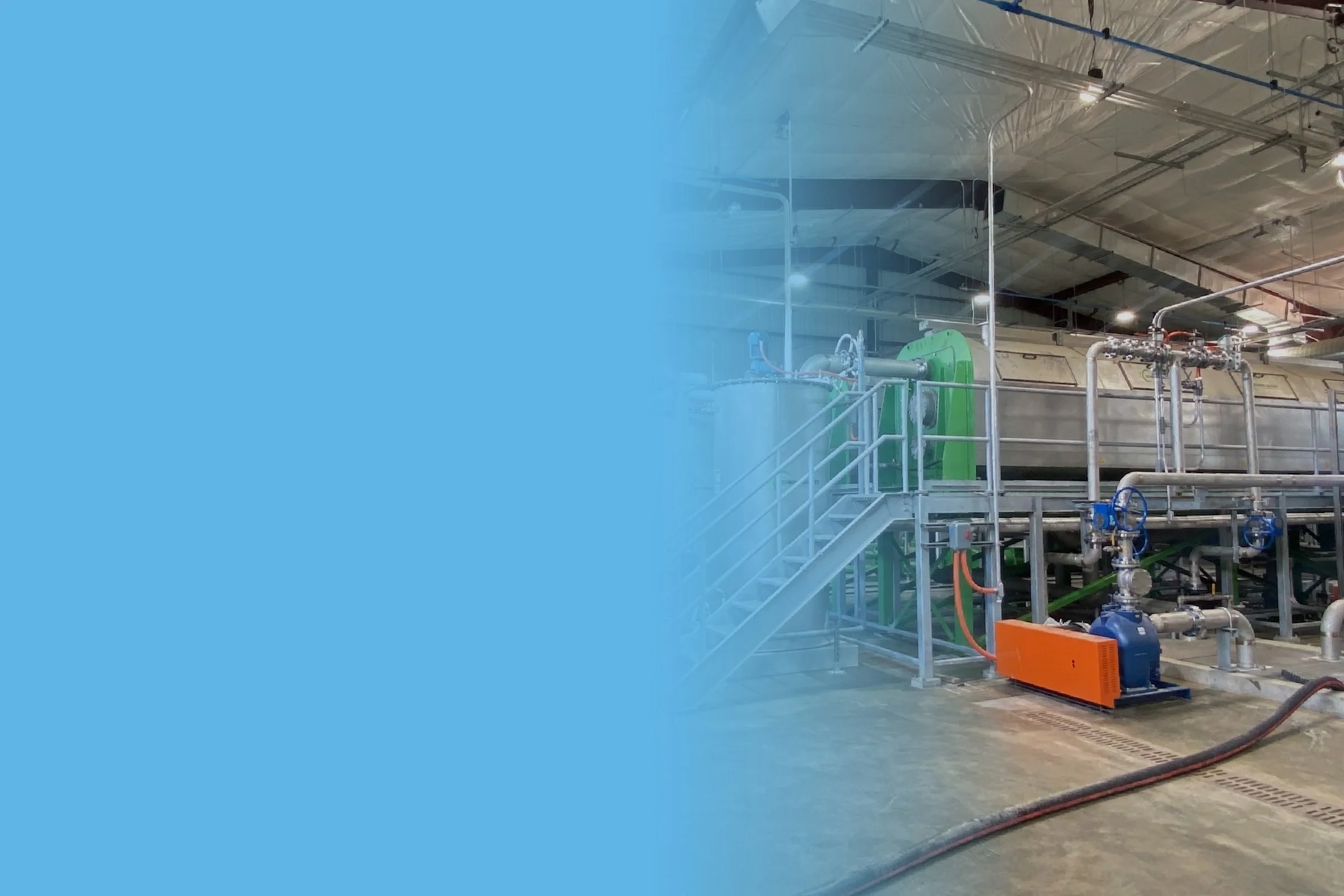

Nutrient Recovery
Beneficial nutrients, such as nitrogen and phosphorus, are recovered from the digesters through dewatering and evaporation processes. These nutrients are subsequently utilized as substitutes for traditional fertilizers and soil amendments in local agricultural operations.
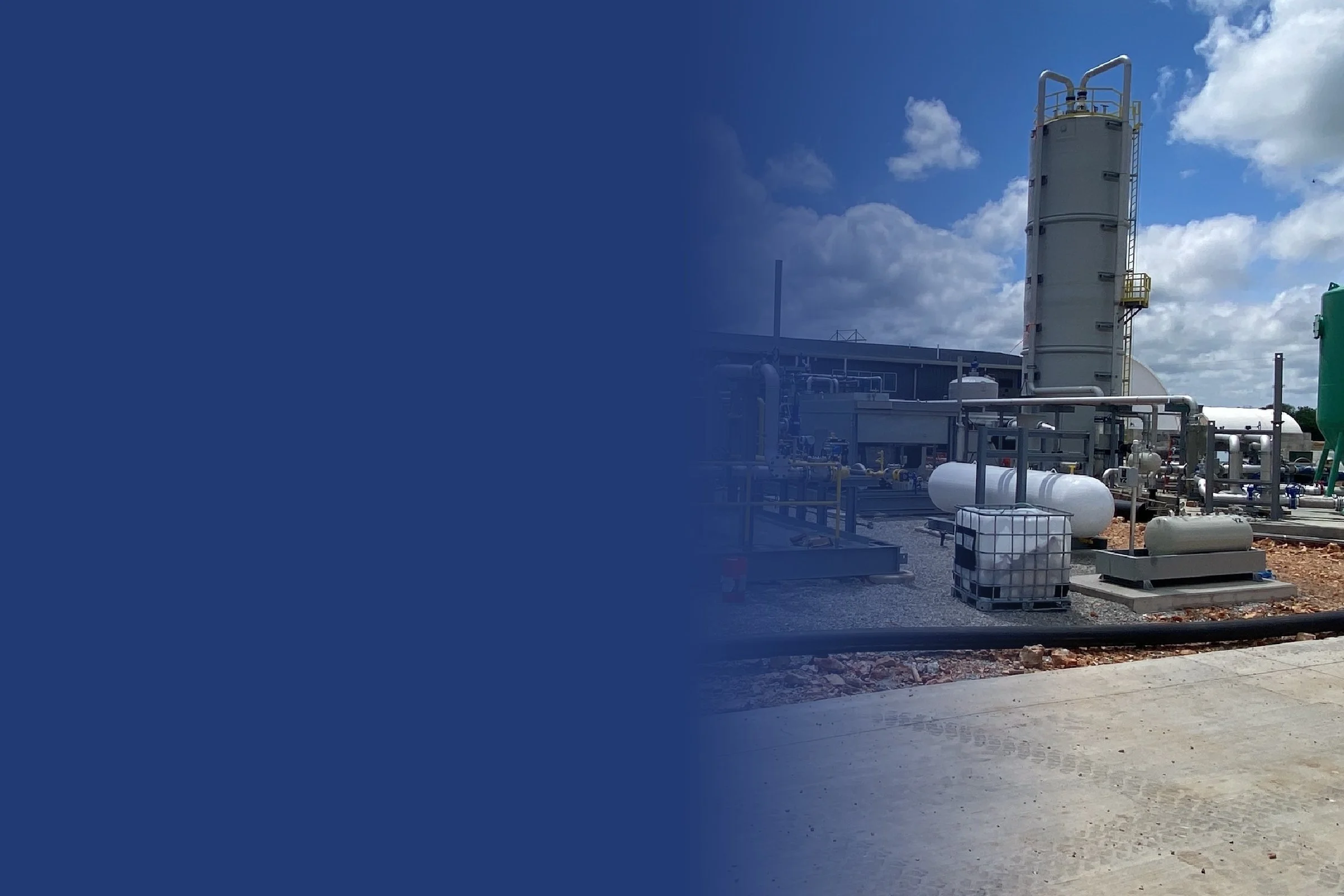

RNG System
Biogas produced by microorganisms in the digesters is upgraded to renewable natural gas (RNG) as part of the RNG system. The process begins with the removal of hydrogen sulfide via scrubbing. Following scrubbing, the gas is compressed to 200 psi and moisture is extracted. The conditioned gas then passes through a membrane system, which efficiently separates carbon dioxide and other trace gases from the natural gas stream. Subsequently, the RNG is utilized to offset natural gas consumption in the dry rendering facility. In the future, an advanced purification and liquefaction system will be introduced to produce renewable food-grade liquid CO₂.
Our products
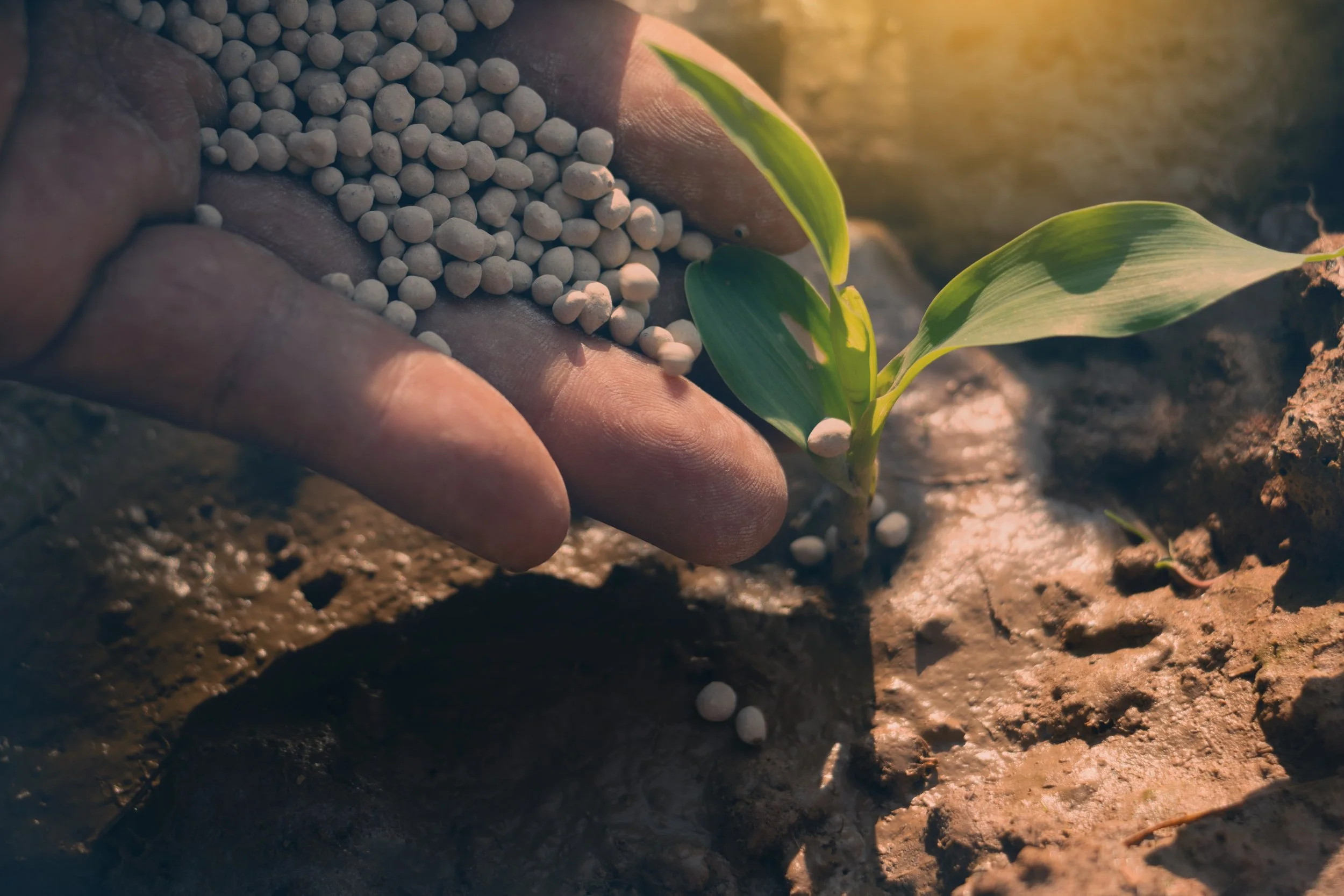
Fertilizer
Producing nutrient-rich fertilizers that support healthy crop growth and strong yields, giving growers a renewable alternative to conventional inputs.
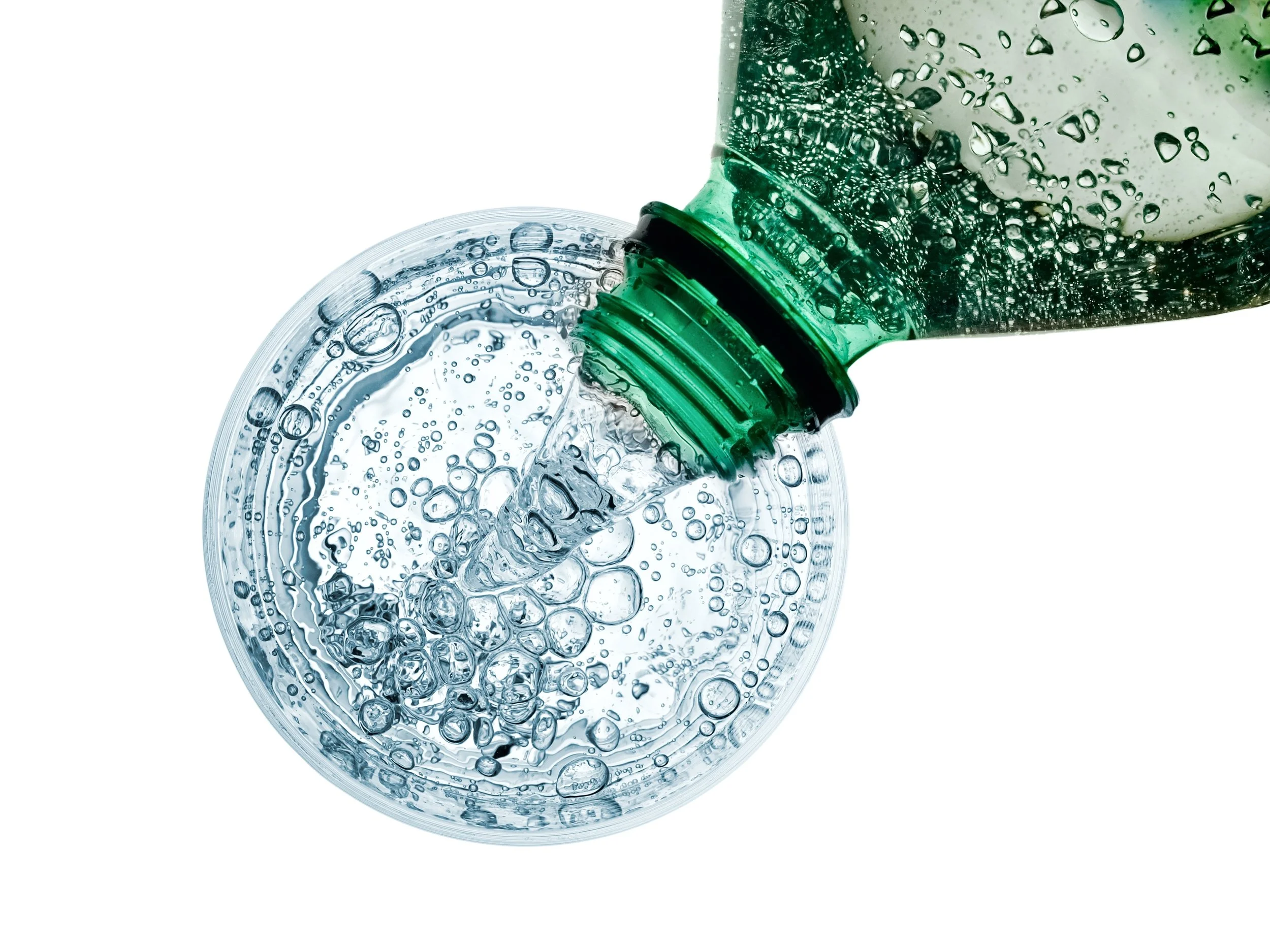
Liquid CO₂
Creating beverage-grade liquid CO₂ that can be used across our operations and beyond. This versatile resource can serve a range of industrial and commercial needs.
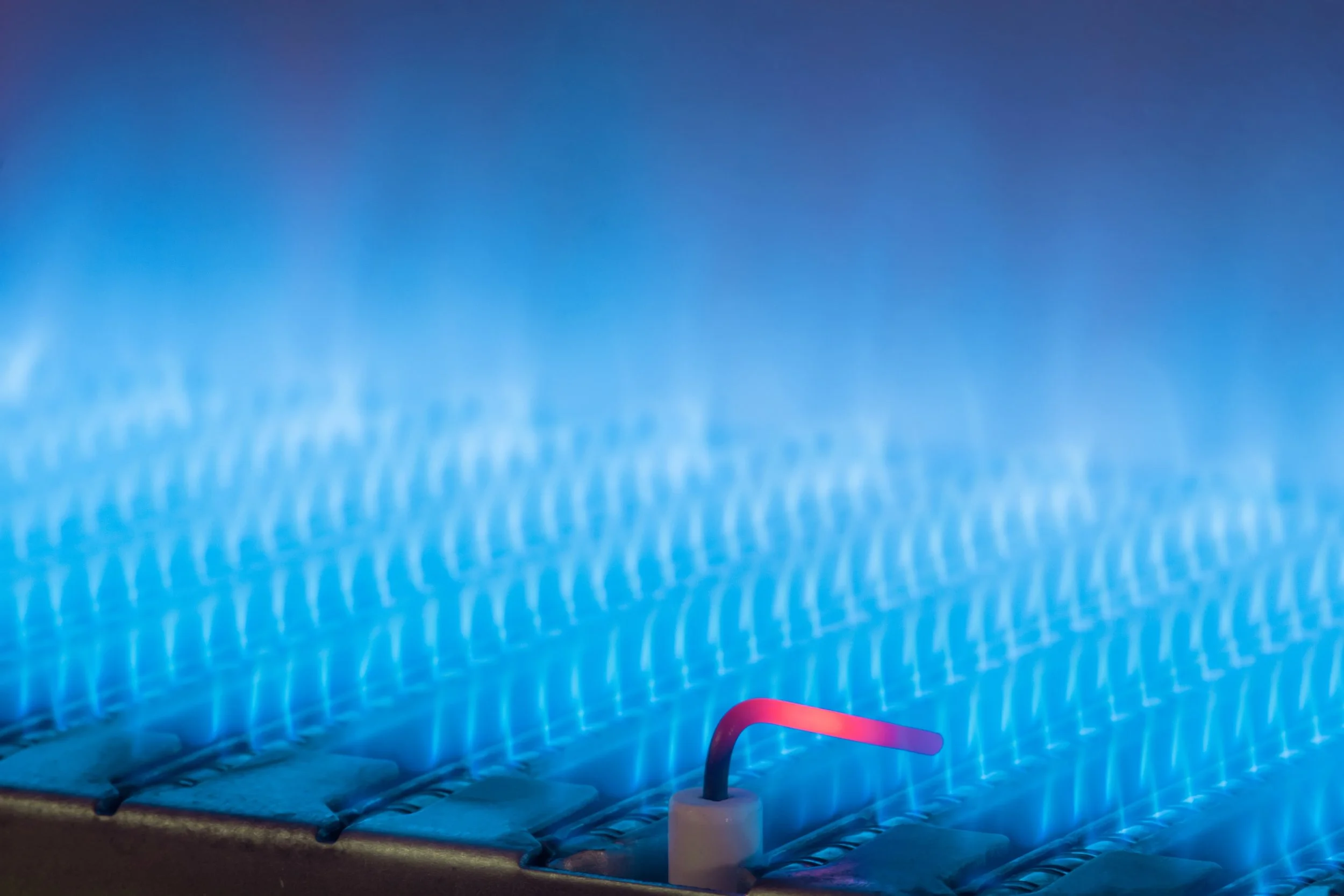
Renewable Natural Gas
Producing renewable natural gas and other beneficial products that can be used to generate alternative transportation fuel, energy products, or other advanced biochemicals and bioproducts.
Questions:
-
An anaerobic digester is a sealed system that uses naturally occurring microorganisms to break down organic material, like food byproducts, in the absence of oxygen. As the material breaks down, it produces renewable resources like renewable natural gas (RNG) for energy, liquid CO₂ (LCO₂), and nutrient-rich digestate that can be refined into soil amendment products.
-
We use byproducts from our operations that would otherwise need to be disposed of and considered waste. Throughout the production process, we derive materials that cannot be used to their fullest potential.
-
ReGen will convert low-value materials into renewable resources, including renewable natural gas, liquid CO₂, and soil amendment products that can be used in agriculture and manufacturing.
-
We expect to be fully operational by summer 2026.